NOVA Open Bolt Action Tournament – 5 September 2026
By Kreighton Long
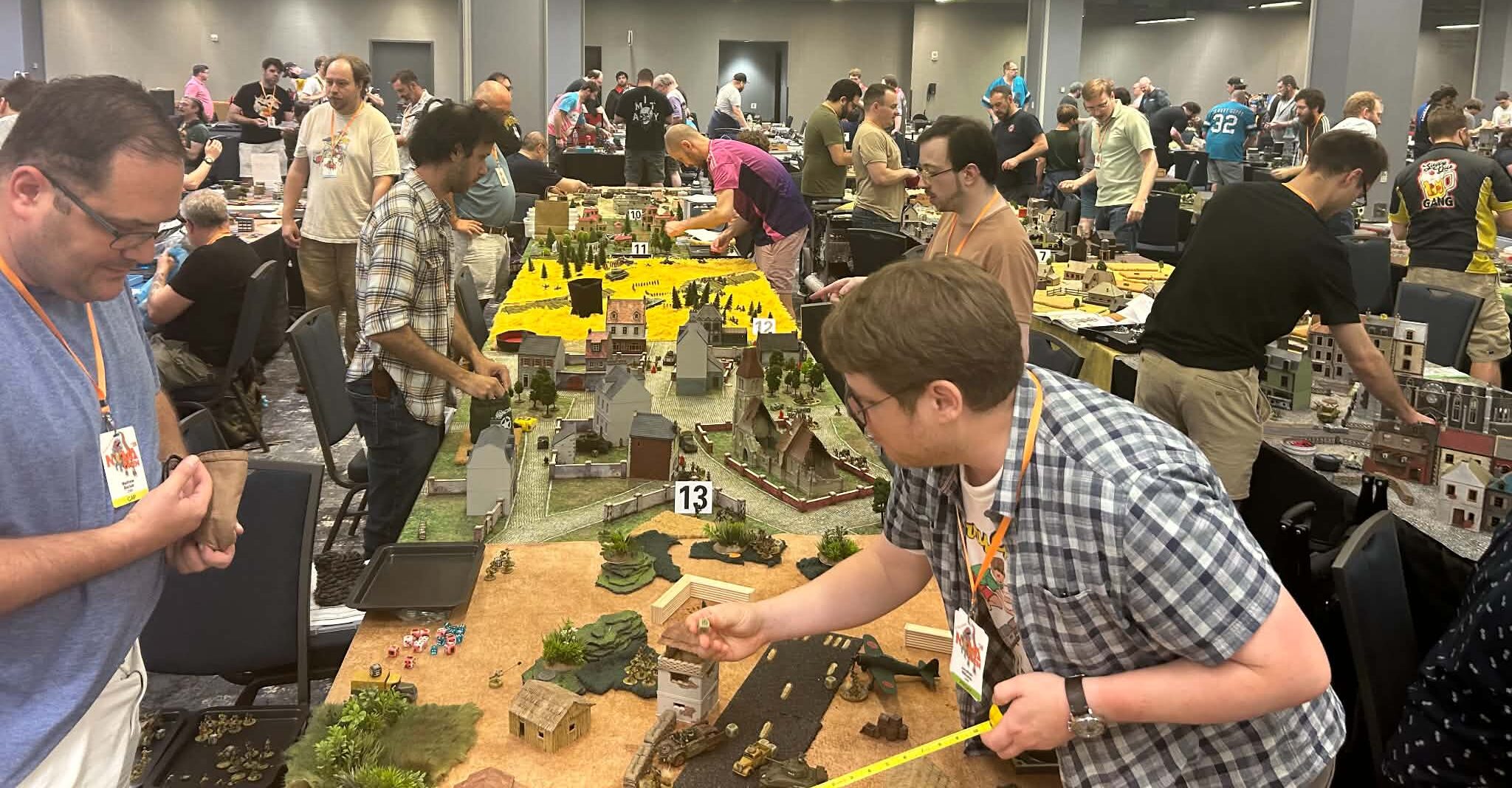
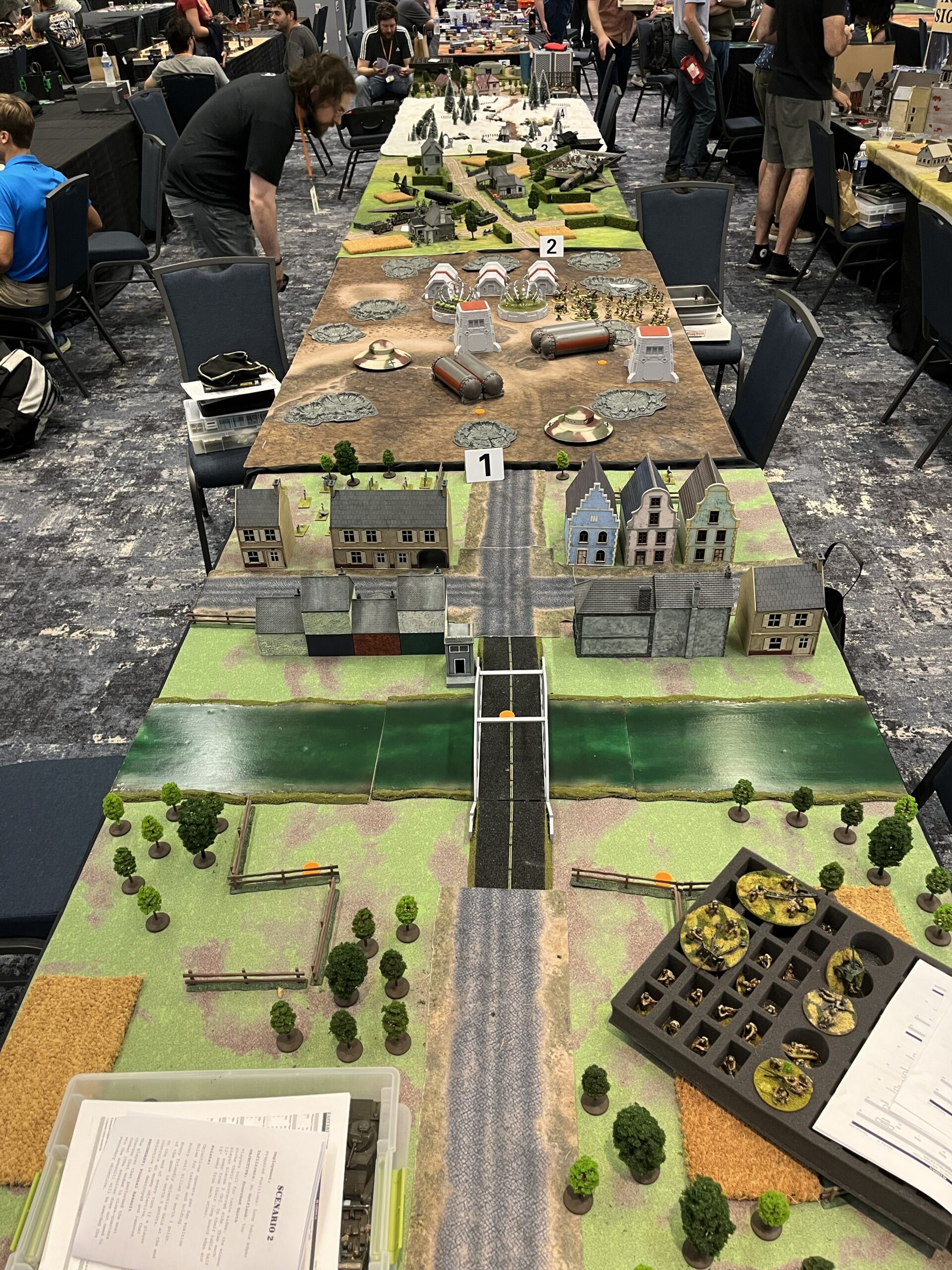
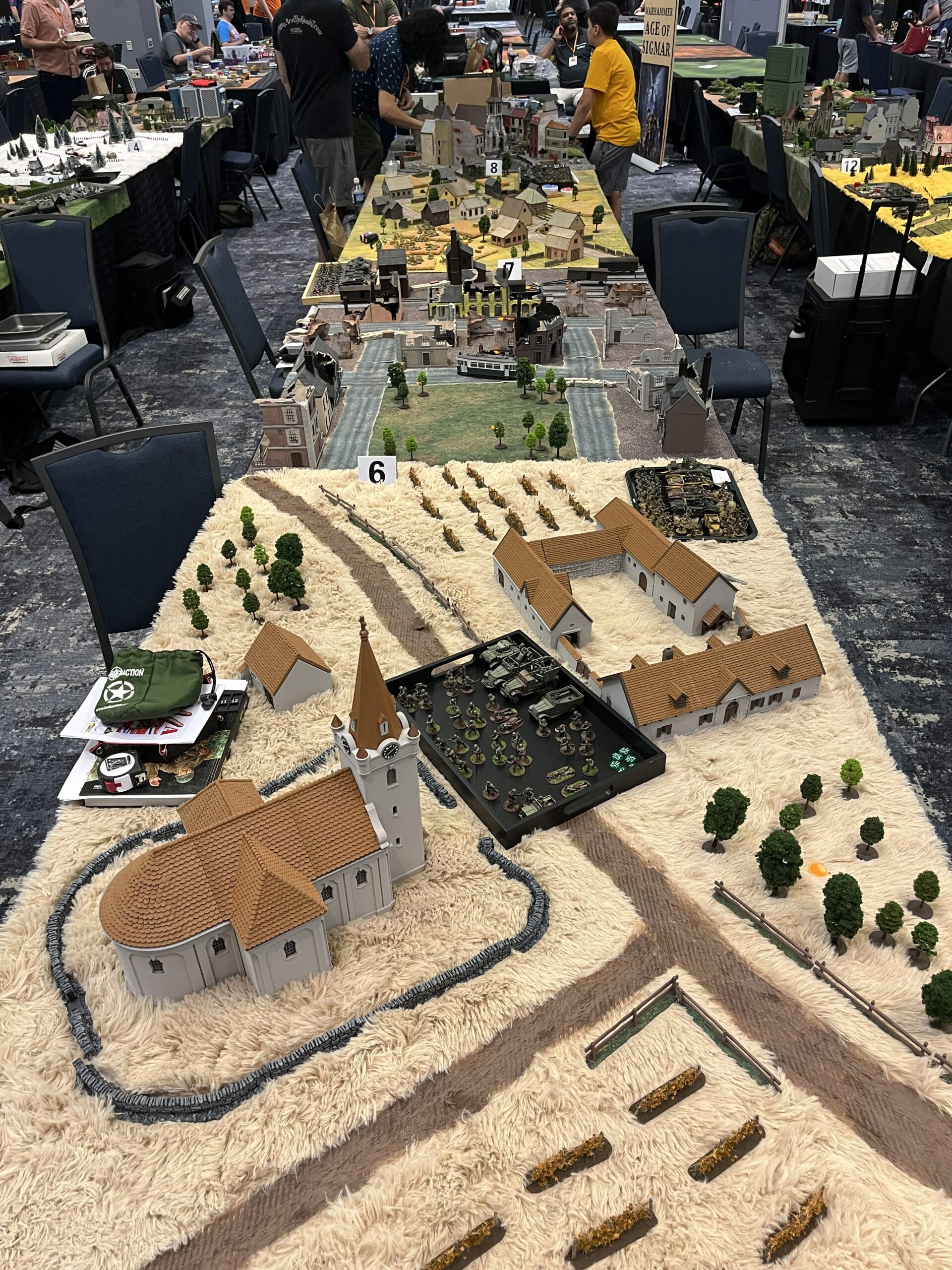
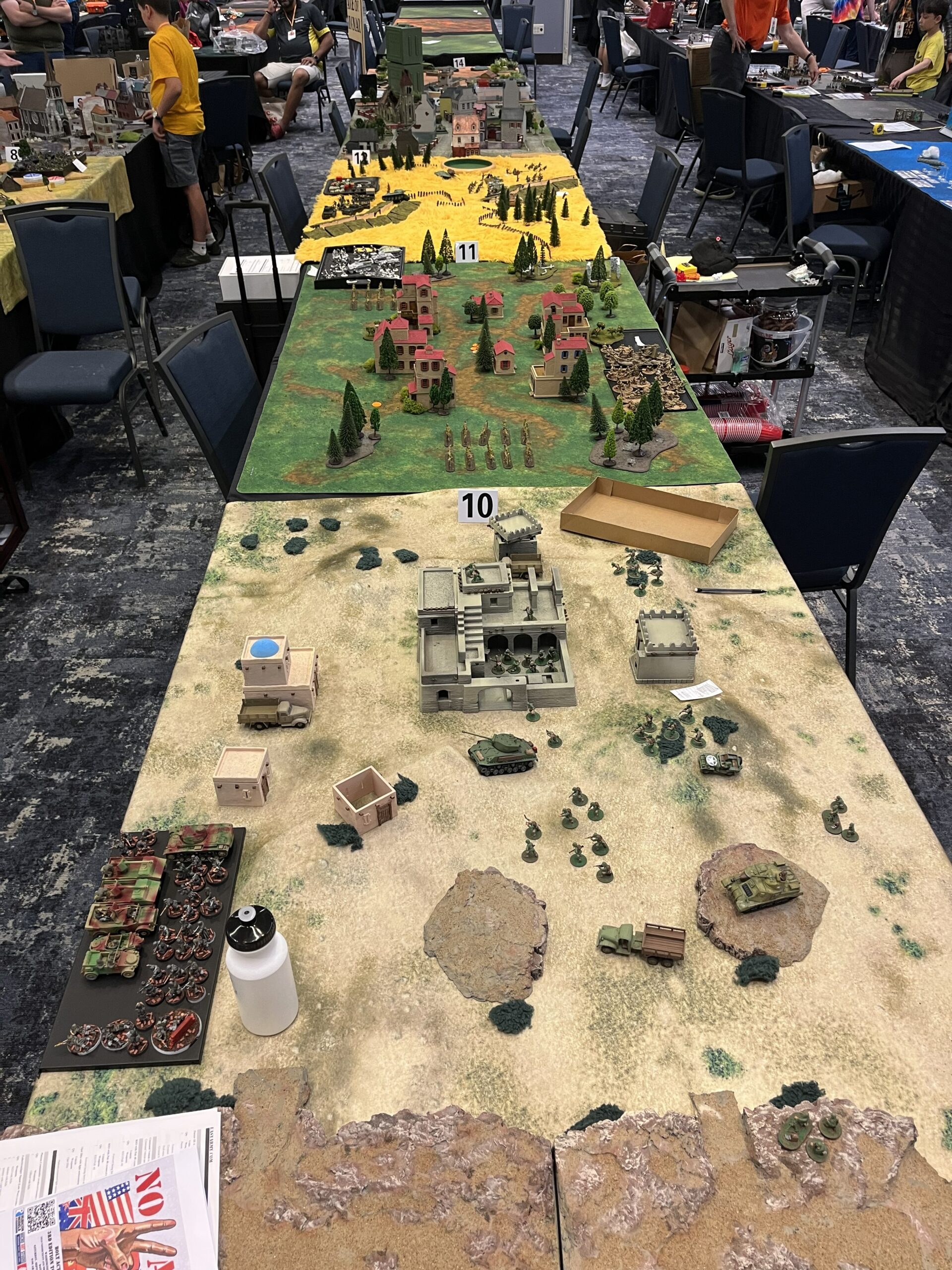
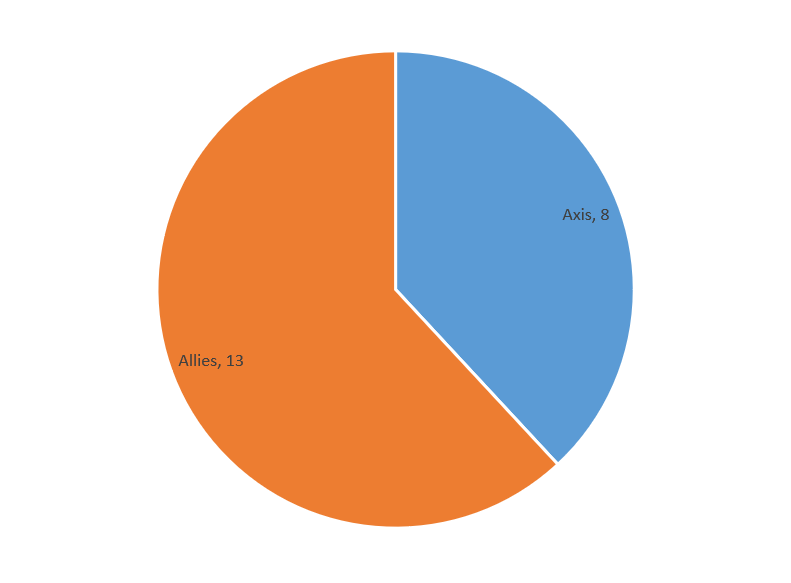
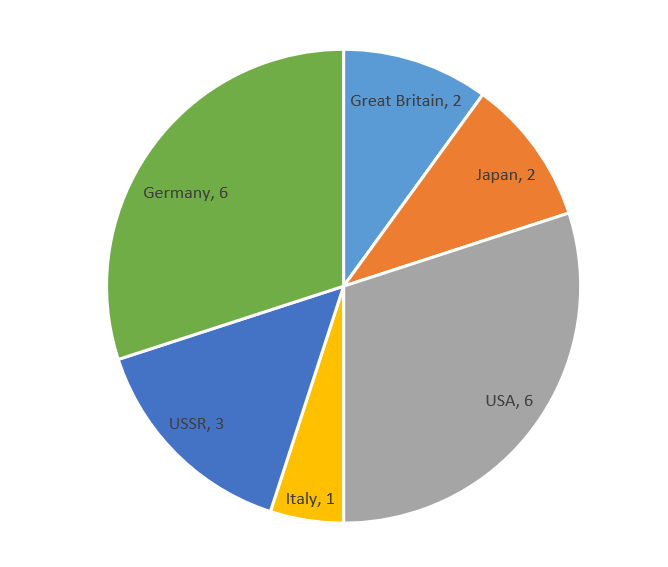
Earlier this September, Jesse Marcelo organized and ran a Bolt Action tournament at the NOVA Open in Washington D.C. The event was attended by 22 competitors who brought with them gorgeously painted armies and positive attitudes to create a friendly-competition atmosphere. Utilizing fourteen tables in the center of the Columbia room, we found ourselves surrounded by gamers playing diverse games including Star Wars, Lord of the Rings, Warhammer, and a few that I did not recognize. While historical gaming appears to be the minority at the NOVA Open, I can say with confidence that we held our own and attracted dozens of inquisitive passerby’s who were drawn to the tables, miniatures, and enthusiastic gamers .
This was my first time attending the NOVA Open and after the parking headache I had Friday afternoon I wasn’t sure there would be another one in my future. Once in the venue however, I started to warm to the idea of coming back. The venue had multiple water bottle refill stations, the trash cans were easily accessible and as far as I saw were well maintained with none overflowing, and plenty of food options on site for those of us willing to sacrifice our frugality for convenience.
Then the tournament began. Jesse Marcelo ran a smooth operation with unique scenarios, gorgeous tables, and generous prize support for his winners plus a few raffle items for a fortunate additional few. I had the privilege of playing against two players I have never played against before which is always a perk for keeping the game feeling fresh. So long as my schedule will allow, I truly intend to return next year.
This tournament was Jesse’s first time running a large tournament at a convention and a highlight he stressed was how many other players from other game systems wandered over to bring up how great the tables were, how fun the games appeared, and how great everyone’s armies looked. Jesse and his team put in commendable energy into making this tournament happen. All of the terrain used for the event was provided by Jesse and his co-conspirators. Fourteen tables worth of terrain is no-joke.
A lesson learned for Jesse was that experienced players can typically hash out the terrain rules for themselves. In past tournaments, Jesse left rules out for terrain for each table but chose not to this time as he thought it might be confusing for tables. To his surprise, he only had to field one question the entire tournament about how terrain should work. I personally can confirm that each of my games began with a quick chat about the table and I had no issues reaching common ground with my opponents. Experience and a shared desire for a fun game won out in the end.
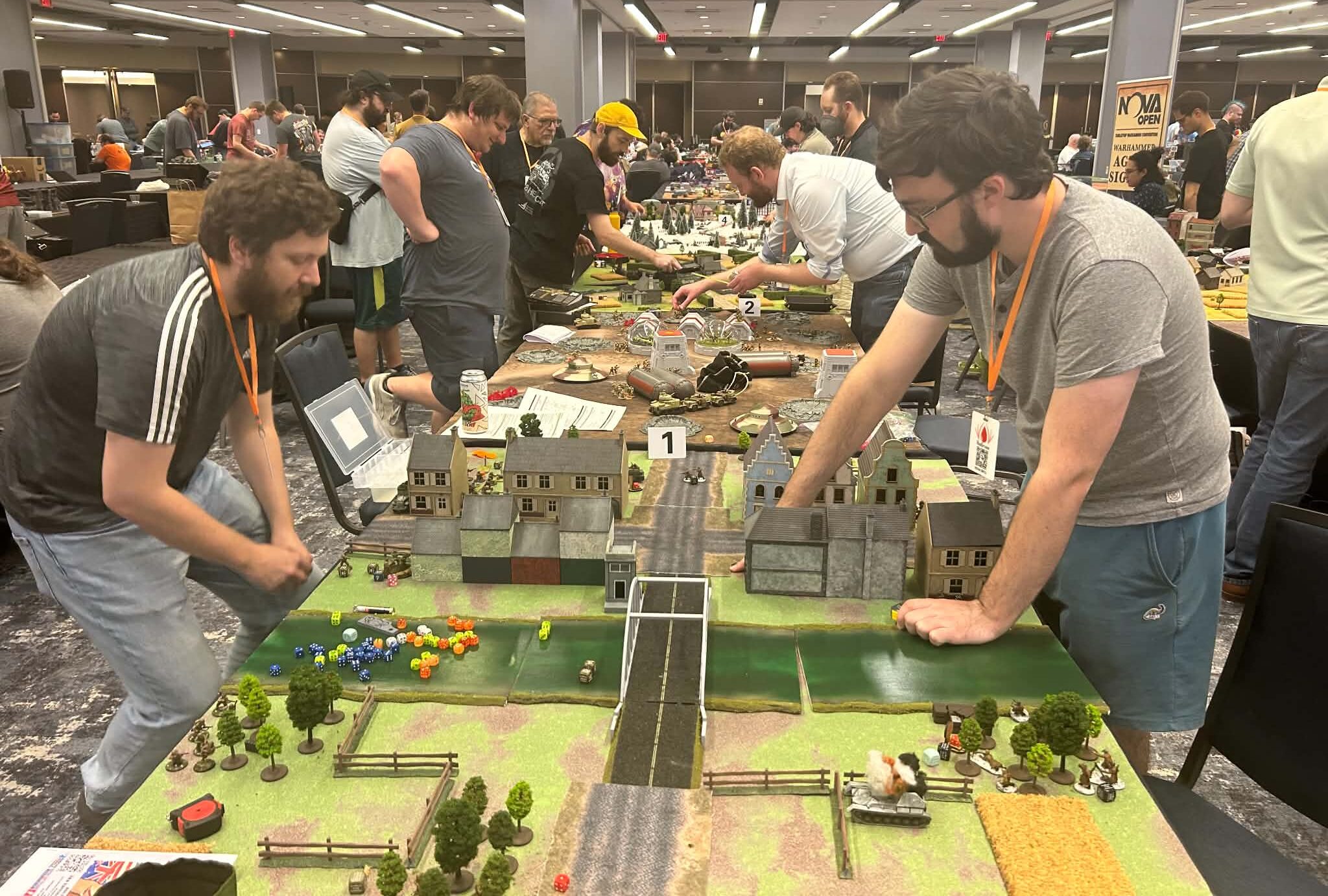
Three rounds comprised the tournament with each round having a primary and a secondary objective as well as specific parameters regarding deployment type, table setup, infiltrating units, and outflank options.
In the first round, players attempted to take and hold five possible objectives placed by the players before beginning. Each objective earned the controlling player one point at the end of each turn beginning on turn two. The secondary objective was to destroy a “priority target” where players choose a unit in the opposing army to target before the game began.
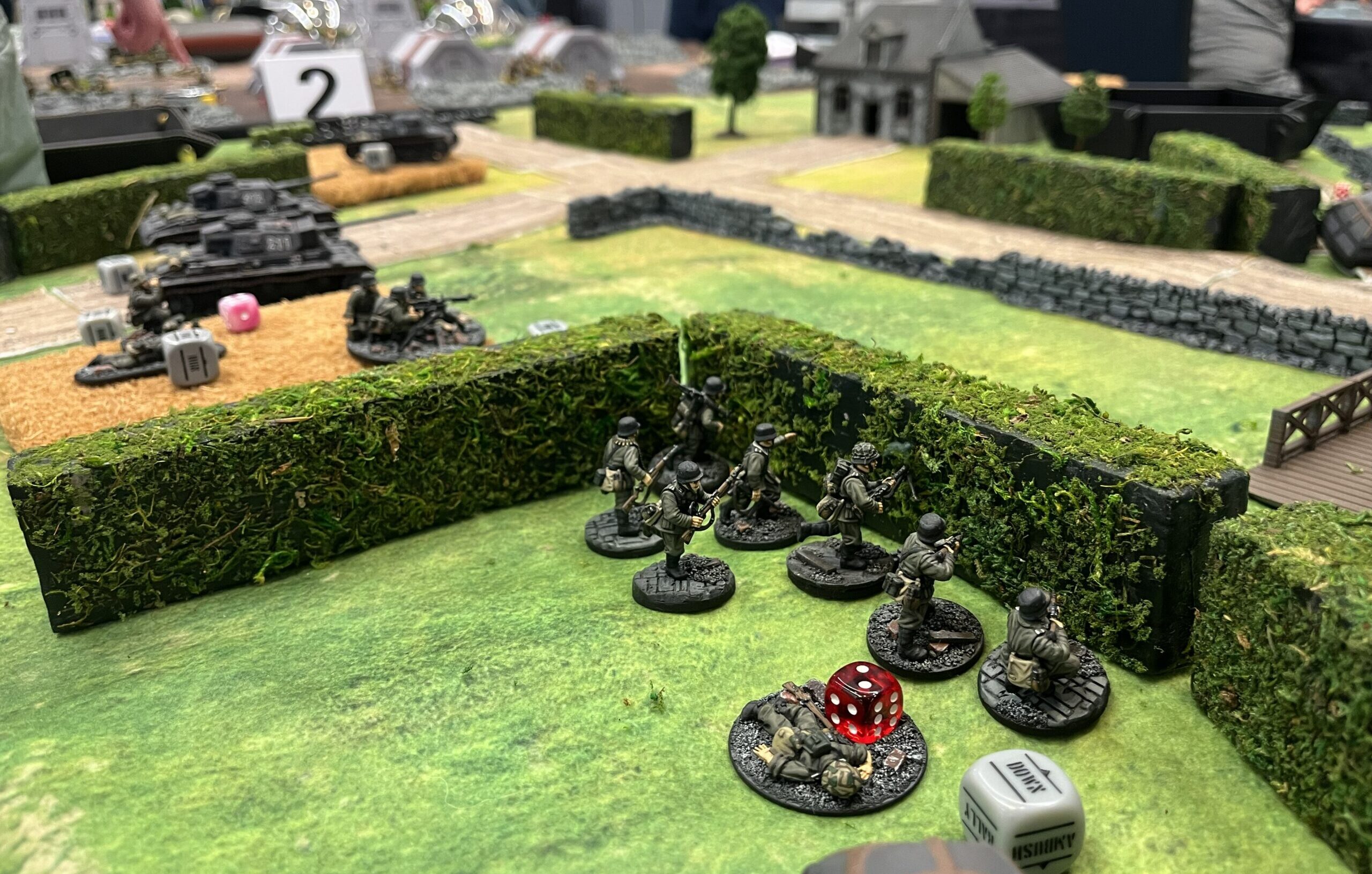
In the second round, players competed to destroy enemy units while also holding onto two objectives on their table halves. The secondary objective was to perform more charges that ended in close-quarters than their opponent.
The third and final round saw players once again competing to destroy enemy units but with the caveat that enemy officers (including vehicle commanders) were worth two victory points rather than just the one. The secondary objective was Top Secret borrowed from the book. An objective was placed at the center of the board and could be carried off by an infantry or artillery unit. Controlling the objective earned the player a secondary objective win.
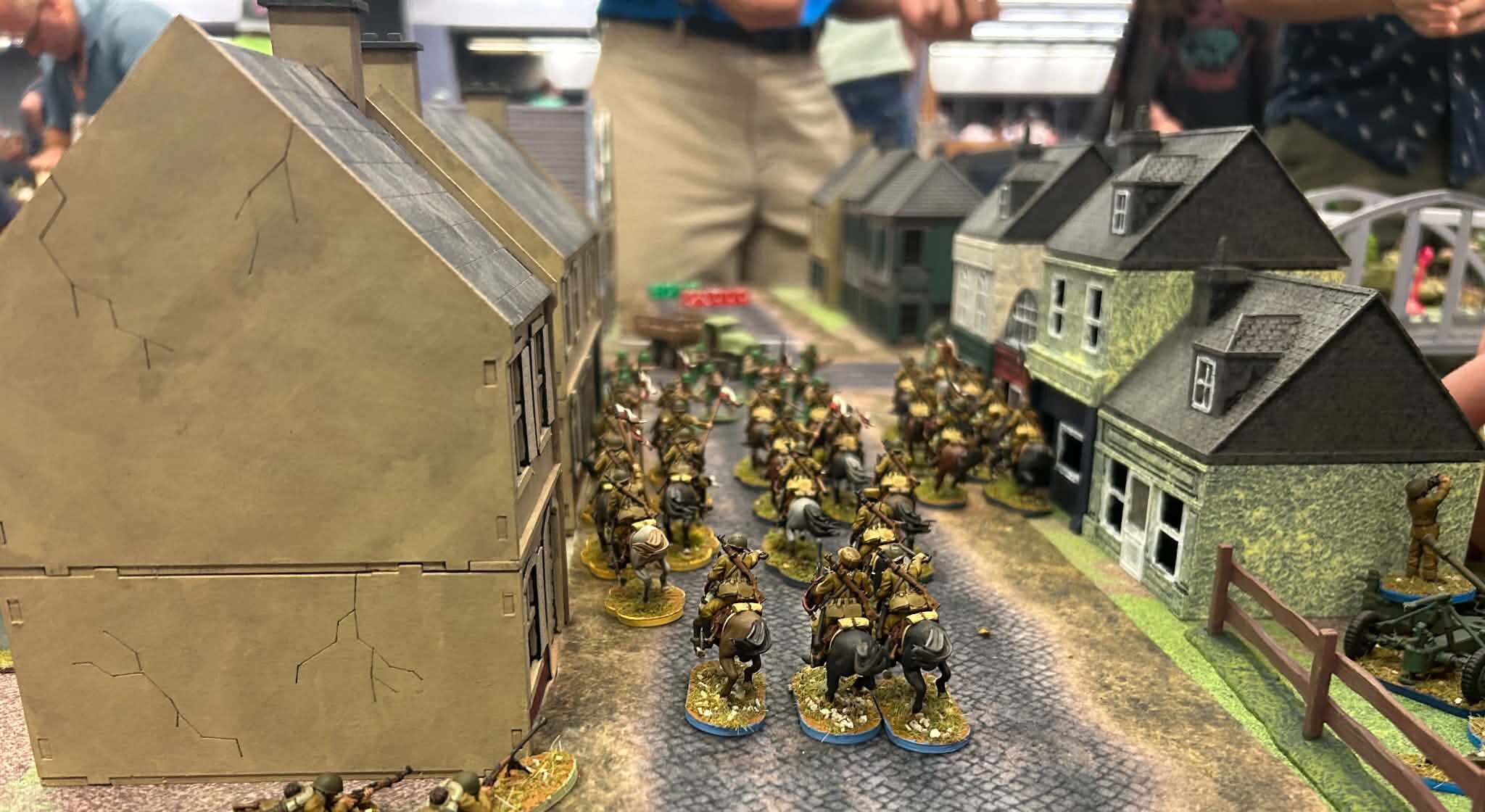
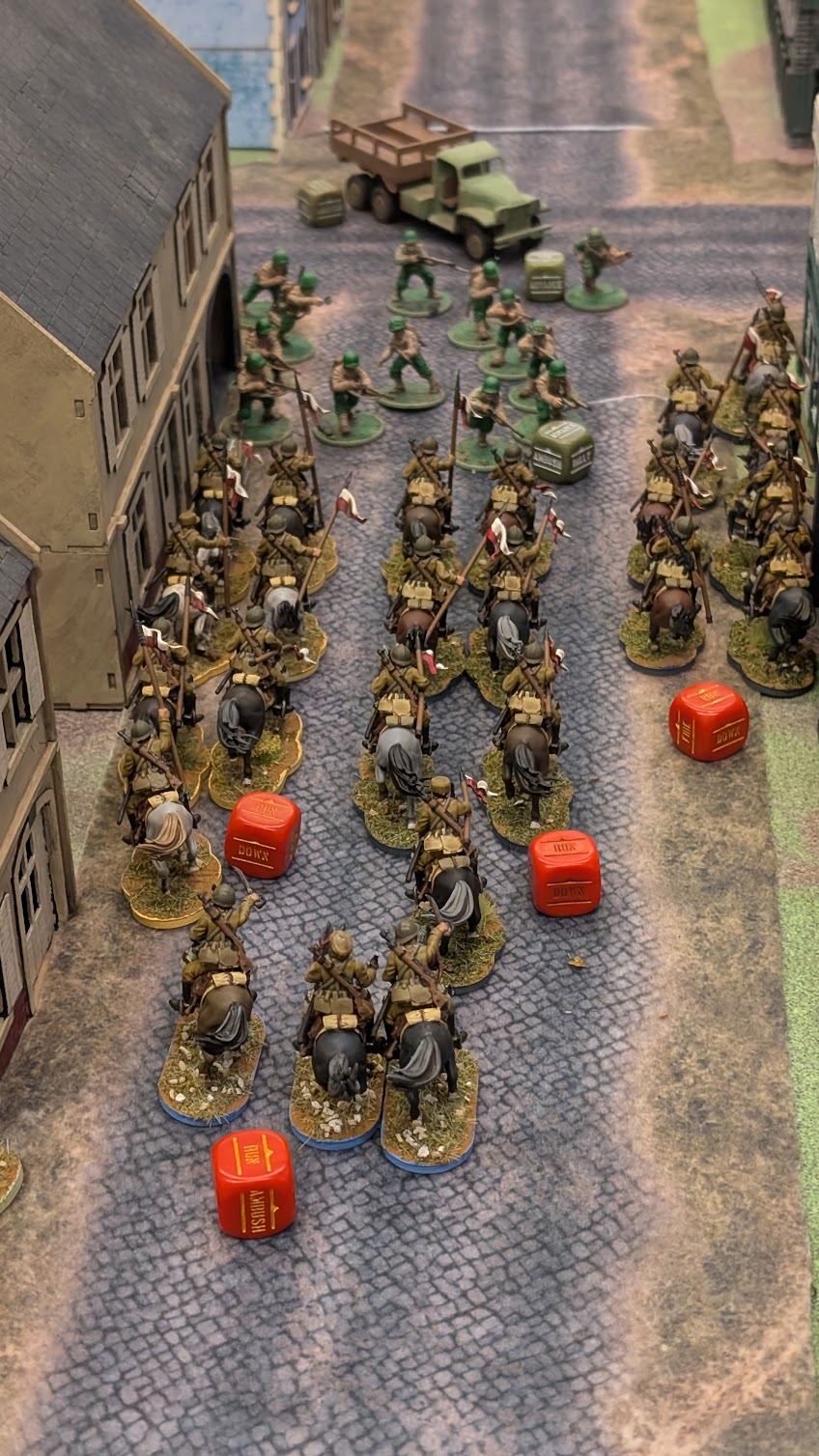
Finishing in first place was Hunter playing early war Poles. Hunter assembled the list under the impression that it wouldn’t be much of a performer due to cavalry in Bolt Action being so “swingy”. With the mindset of his list being more fun than competitive, Hunter was willing to take more risks with them then he normally would if trying to be competitive. He pushed his cavalry forward at every opportunity and tallied at least fifteen cavalry charges with only one resulting in his squad being eliminated. Fortune favors the bold!
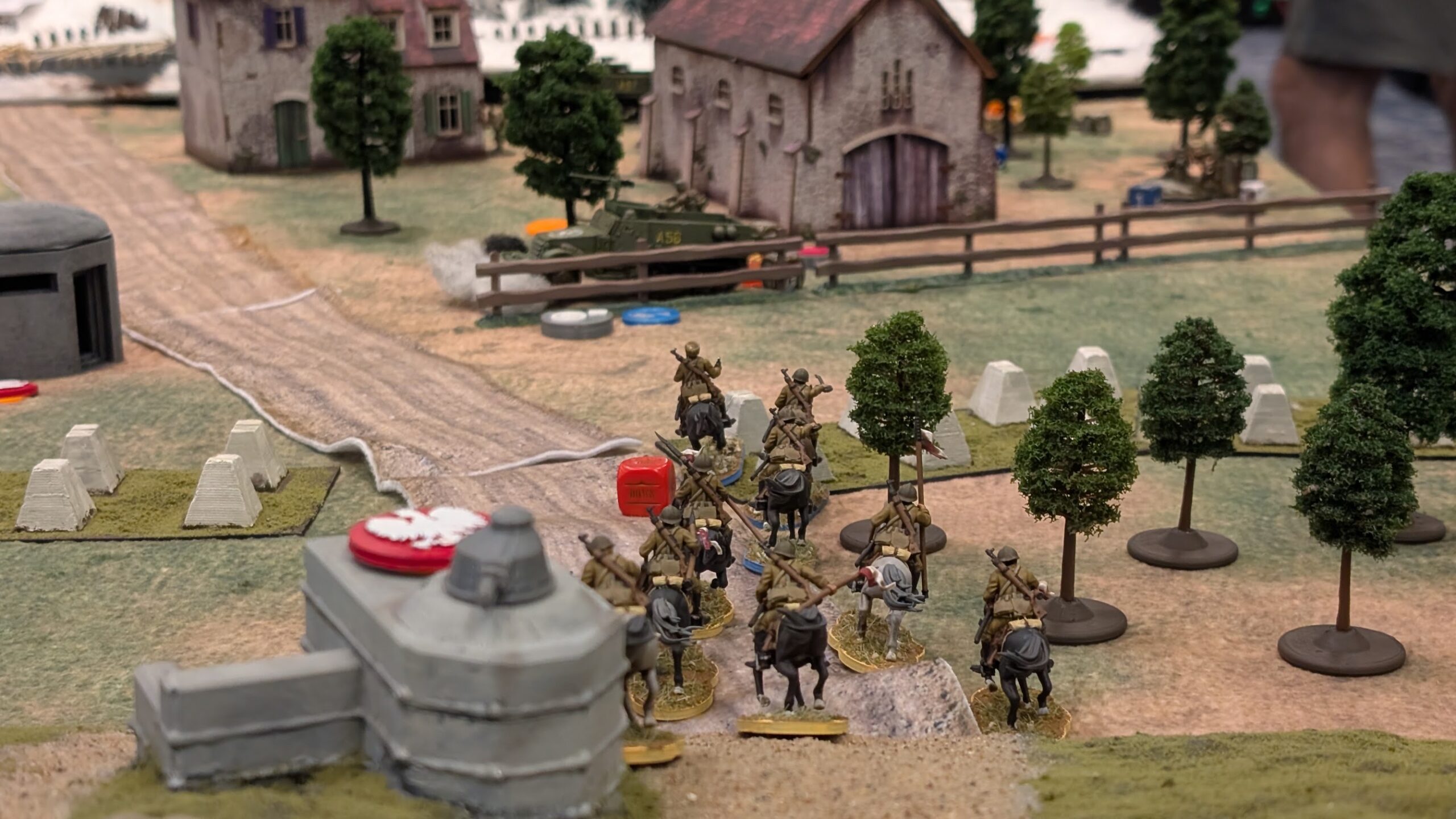
Hunter benefited from advantageous tables in the first two games. Lots of good cover allowed his cavalry to avoid being shot at until closing into charge range. When his units did take fire he took advantage of the escape reaction to put his cavalry squads into cover or out of line of sight of their attacker.
The last game was on a more sparsely terrain’d table and with both sides playing aggressively the victory came down to one single die pull. Had Hunter’s opponent drawn the first die for the turn he would have been on the receiving end of three squads firing point blank. The moment was so tense that the players invited Jesse over to pull the game deciding die. Luck was on Hunter’s side this time. Sometimes it’s better to be lucky than skilled.
Congrats Hunter!
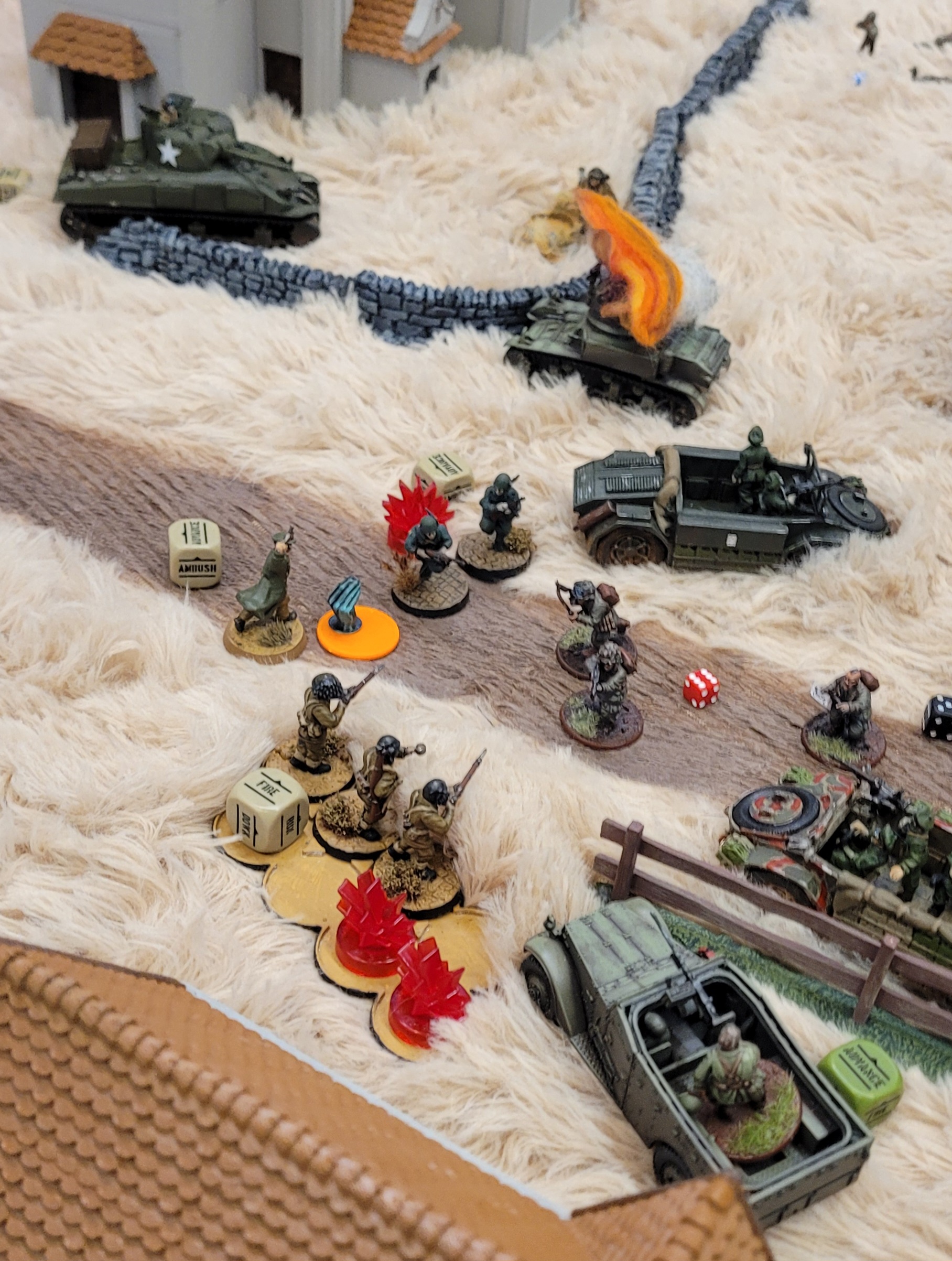
Coming in second place was Jonathan Williams playing a Co-Belligerent Italian army. Jonathan spent his time preparing for the tournament experimenting with the different options that the Co-Belligerent Italian army has access to. In the end he decided to take a Sherman M4A1 for his armor support due to it’s flexibility and forgiving nature in terms of AT firepower and it’s strong anti-Veteran infantry capability with the improved HE.
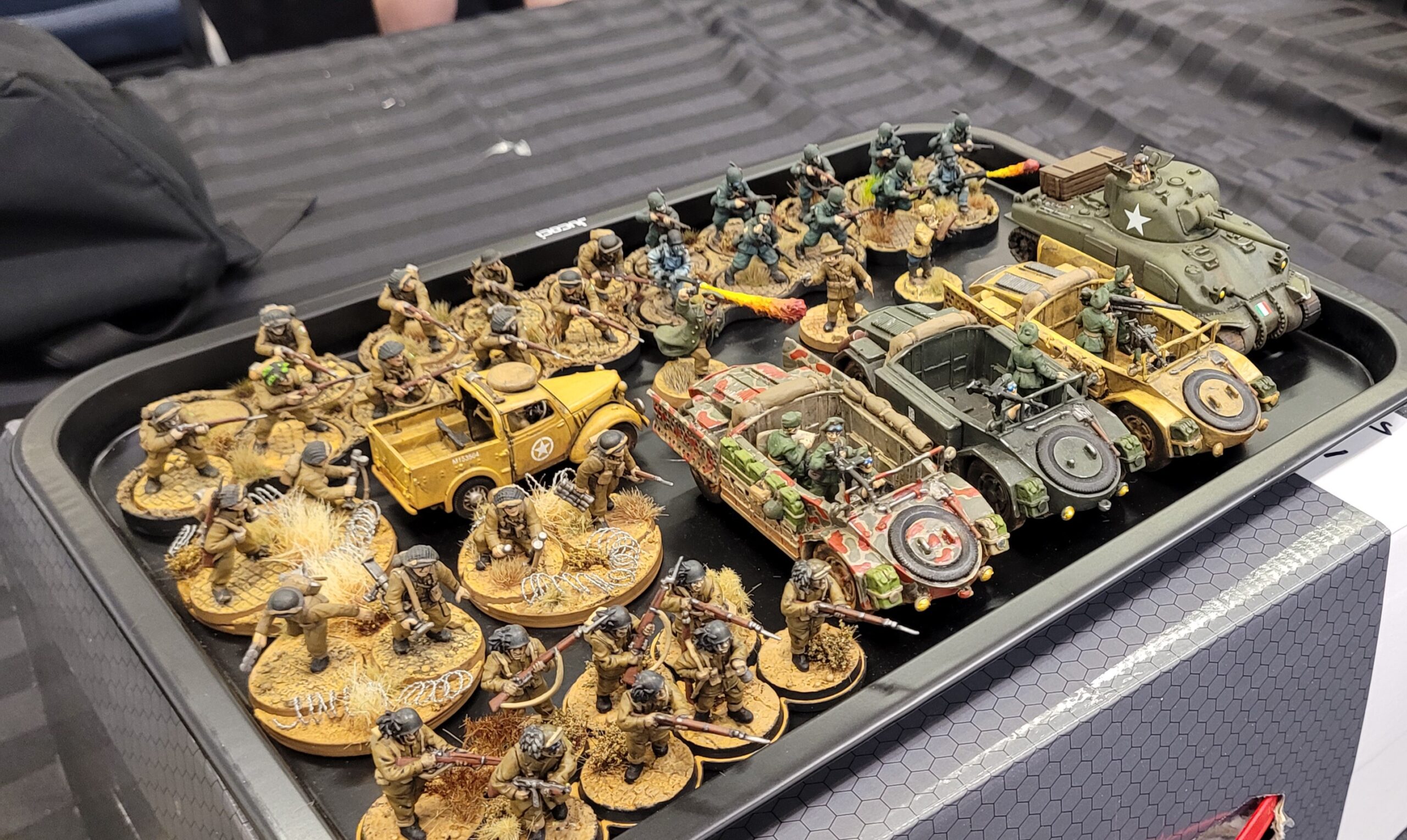
Jonathan made liberal use of the Alpini upgrade to give Fieldcraft to his Guastatori Engineer Squads and the PIAT team. Putting those two Guastatori units in his two Sahariana transports and the company commander and PIAT in a civilian car and snapping the column towards his opponents worked wonders for Jonathan. PIATs for enemy vehicles and flamethrowers for infantry did the trick.
A critical element of this army’s success is the Co-Belligerent army special rule that allows units to remove a pin on a 4+ roll when near enemies allowed Jonathan to potentially remove two pins when activating his attacking units. This rule kept his flamethrowers and vehicles moving never giving his opponent a chance to regroup or counterattack.
Congrats Jonathan!
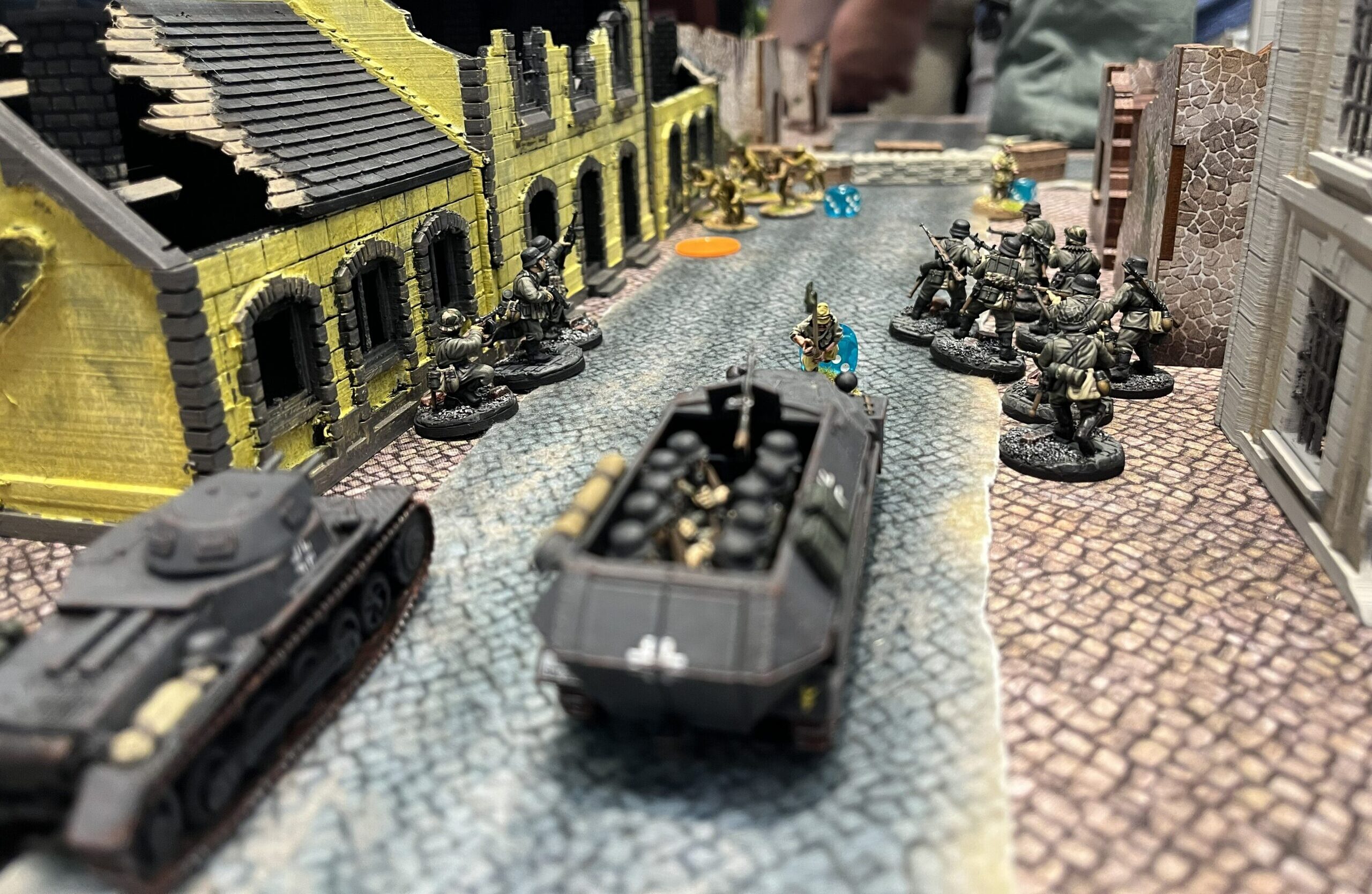
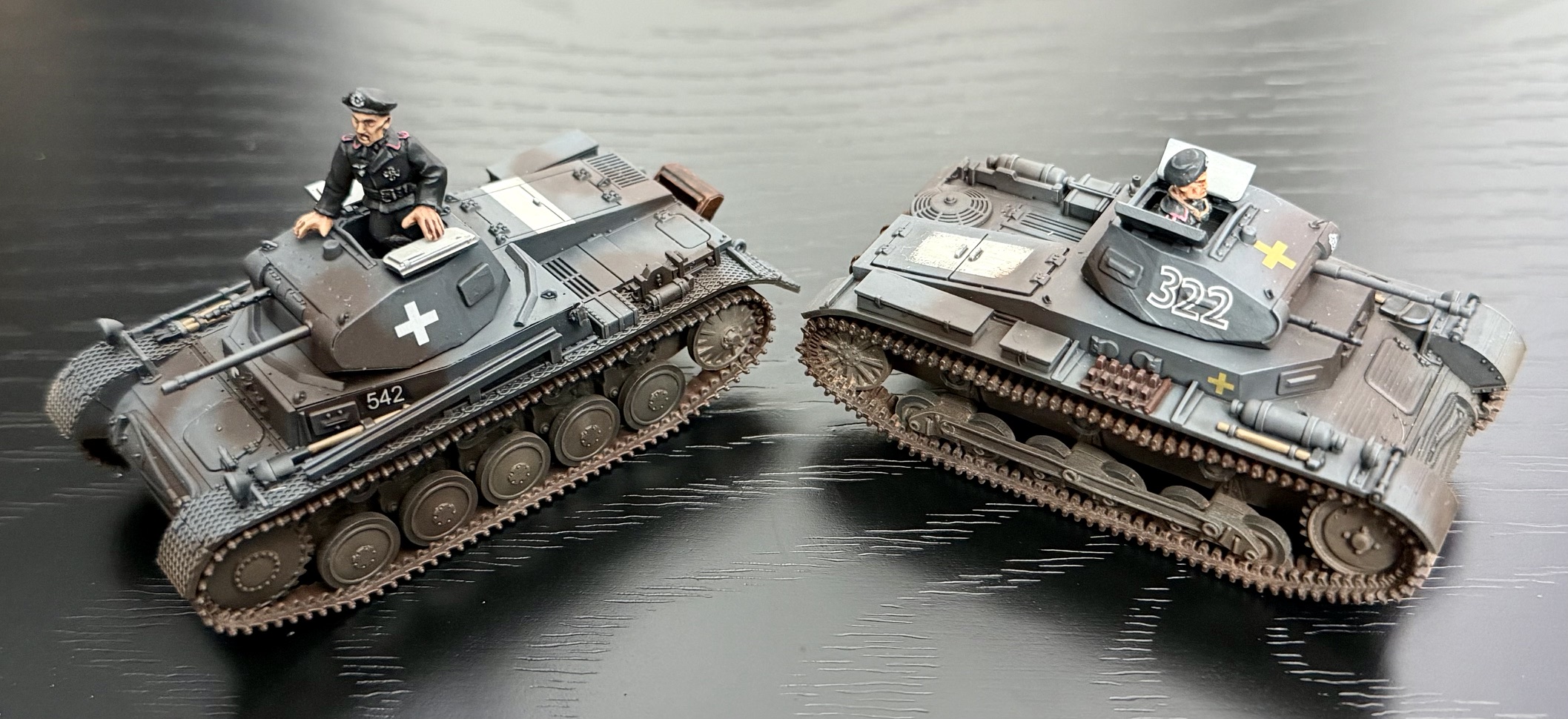
The winner of the Best Painted award was Mike Glaeser who painted a gorgeous early war German army. Mike was drawn to this project because of the vibrancy of the uniforms and the experimental camouflage and markings on the vehicles.
Mike utilized an airbrush expertly as well as paints from Ammo by Mig and Vallejo. “There is always a risk of overthinking paint colors so I appreciate when companies provide ready-made sets.” Sometimes you really should trust the professionals and let them help you find the right paints.
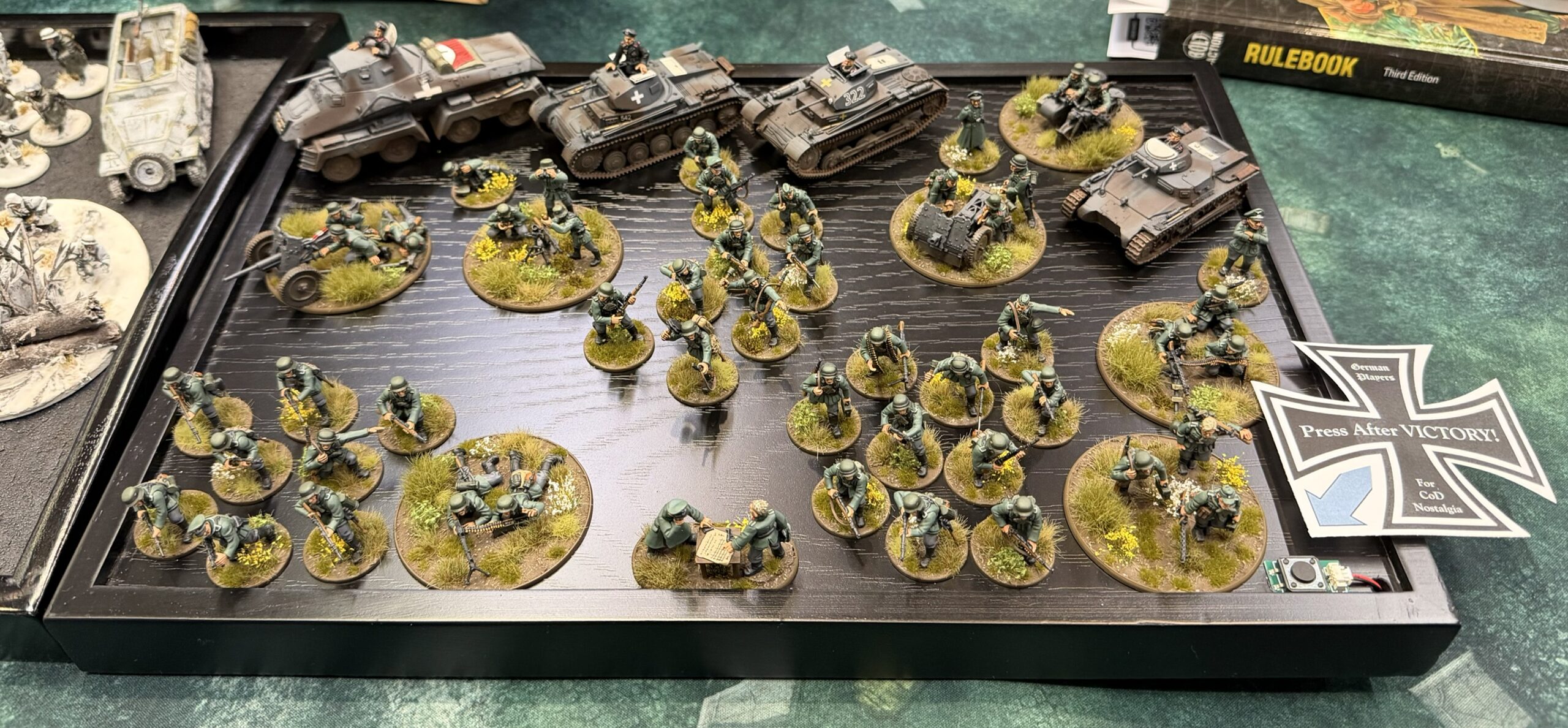
Mike also took full advantage of pops in color to draw the judges to his pieces. During this phase of the war, Germany was rapidly changing their unit markings, location, size, and color. This provided Mike with opportunities to make each vehicle in the force unique as well as introduce other colors to his pallet. In order to add some bright red, which really catches the eye, Mike added a flag to his 8-rad. In order to avoid displaying a swastika, Mike found a simple and effective solution — folding the flag!
Finally, Mike took the time to add some fun easter eggs to his work. “Notice the flower colors on the bases? Same as the case colors used for the invasions of Poland and France.” Mike also was not above bribing his opponents with samples of Scho-ka-kola — caffeinated chocolate given to German troops during World War Two and still produced today. Congrats Mike!
Thank you to the event’s sponsors: Warlord Games, Wargames Atlantic, District Miniatures, and RKX Miniatures.Jesse plans on running his next tournament next Spring. Date and location info is still being worked out. More to follow.
Happy gaming!