Napoleon’s Battles -Looking Back Thirty Years
By Jim Naughton

Introduction

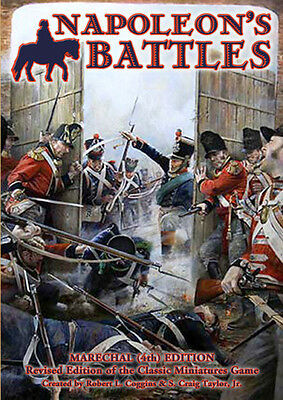
The Wars of the French Revolution and the Napoleonic Wars are sometimes regarded as the ‘Second’ World War, with the Seven Years War regarded as the ‘First.’  Battles raged on all continents save Antarctica and Australia as small forces of the primary contestants sought to seize colonies or disrupt colonial empires.

America’s War of 1812 was triggered by Britain’s high-handed naval policies – in turn a response to Napoleon’s Continental System.  A Corsican general brought the war to Egypt, handily defeating the Sultan’s armies, but failing in face of unavailing British seapower.  A little-known British General’s career took off in the Indian Subcontinent fight

ing native armies with some connection to French mercantile influence.  That career reached its zenith when the Corsican adventurer and the British General clashed at Waterloo, bringing Europe six years of fragile peace.  Clausewitz’s On War and B.H. Liddel Hart’s Strategy have their roots in the Napoleonic Wars.
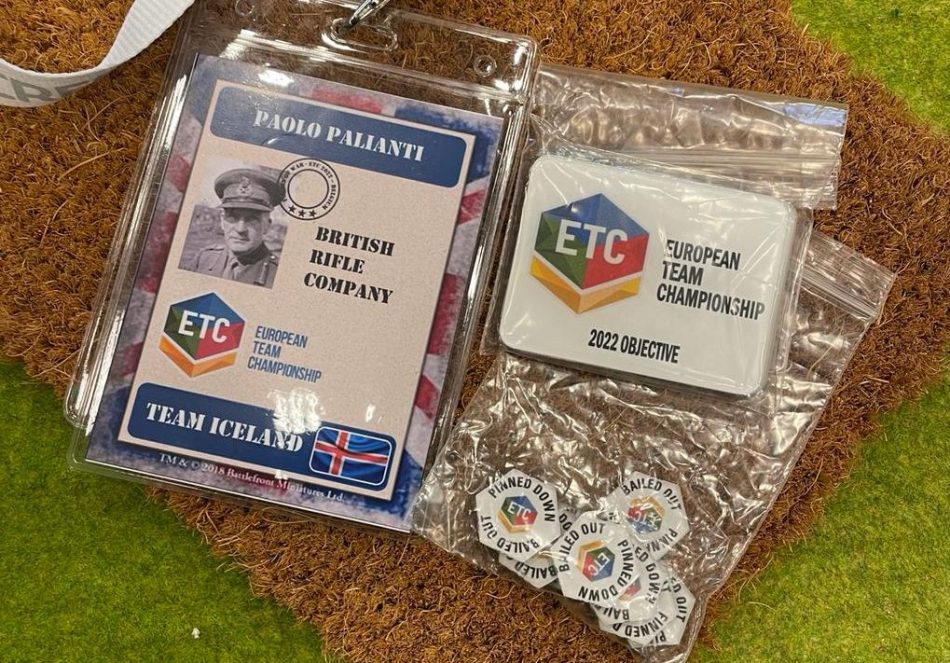
ETC 2022, 5 games to remember (and one to learn from)!

By Paolo Paglianti

ETC is probably the biggest and most important Flames of War tournament in the WorldI already reported about it here. It was an amazing experience, and I hope to come back in following years. After the above article about the tournament, time to talk about my games with a full report of my six battles with the Iceland Team.

Playing ETC is deeply different than playing a normal, single-player FOW tournament. You are part of a team of six players, and the Captains of the two opposing teams try to find the best pairing for their players. For example, if the opposing team has a US Tank destroyer army, the opposing Captain will try to counter it with Recce Company full of nimble scouts relying on being hidden and to hit the weak side armor of the M10s. The Captains also need to choose which of their players will attack, maneuver, and defend, as they have two “cards” for each stance – ie, you can’t attack with all six players. A lot of strategy even before the game starts!

Déjà vu Again – Spotlight on the Soviet Forces of the Eastern Front Compilation

By Jim Naughton

Four years and forty days ago (approximately) Battlefront continued its Mid-War Journey by introducing Enemy at the Gates and Iron Cross, bringing the Eastern Front to life in Version Four.  A few short months later these books were complemented by Red Banner and Ghost Panzers.  It would take two further years to see Finns, Rumanians, and Hungarians as BF focused on its Late War Journey.

Accompanying those four books were two Firestorm Campaigns.  Our group played both campaigns and continued to play East Front Flames of War up to the release of Fortress Europe.  It was a good run.

The newest release from Battlefront combines eight smaller books – four for the primary antagonists, 3 allies, and one for German paratroopers.  The German paratroopers’ separate book is consolidated into the Ghost Panzers chapter, giving the new book seven chapters.  Others will give you an overview of the big volume or focus on the Axis forces.  My task is to highlight the Soviets – what’s changed, and what stayed the same.  One thing absent from the compilation is the rules on City Fighting and Airborne Assault found in the originals.

Eastern Front the new Flames of War compendium and why you want to send yourself there

Battlefront is releasing a new compendium entitled Eastern Front for MidWar Flames of War players. Within this massive 361 page book are the previously released v4 books Enemy at the Gates, Red Banner, Iron Cross, Ghost Panzers, Death from Above, White Death, Hungarian Steel, and Brave Romania.

But wait, there’s more, like the North Africa book that was released this year, they’ve included new units and formations which no doubt you’ll want to consider when composing new armies to field.

It’s also filled with the usual unit histories, great artwork, and polish that makes Battlefront sourcebooks a joy to read.

Bulge Germans : Volksgrenadiers vs Americans (with lots of Tank Destroyers)

By Tom Gall

Now that the Bulge German book, command cards, and unit cards are starting to flow out across the planet, I’m sure you’re like me, plotting what to buy and wondering in general how things will play. This article is about a 100 pt game featuring Volksgrenadiers vs American Airborne with tank destroyers and Pershings.

I like the Volksgrenadier formation as it offers fairly cheap German Infantry that can be improved partially depending on what Command Cards you may or may not choose to field.

Some feel yes you can just upgrade a portion of the formation, others feel that no you can’t and must have the 12 Volksgrenidier cards for all unit types you field. Phil Yates from Battlefront did take some time out of his busy day and make a ruling on this which was that you can’t mix the units.

Art de la Guerre Tournament, Day One, 15mm Roman period, 200points

by Dennis ‘Matt Varnish’ Campbell, additional photos by Mike Abbott and Tod Creasey

The local gaming club, Ottawa Miniature Gaming (OMG), held a two-day Art de la Guerre (ADLG) event over the May long-weekend. I decided to sign up after only one practice game.

I could only attend the 15mm 200pt Roman-themed event, but was able to drop by and snap some pics of Day Two’s 28mm Dark Ages era tournament, stayed tuned for a future post.

We had 15 players attend, which is a great turnout, despite the gigantic summer storm knocking out power. With an odd number of players, I opted to take the third round bye so I could take some pics.

Playing with the cats – Flames of War Bulge Germans on the tabletop

By Tom Gall

With the release of the Battle of the Bulge German forces by Battlefront, the German player is granted a luxurious set of choices for new units to play with for version 4 of Flames of War. This article is about putting together a Volksgrenadier formation with the addition of some of the fun thematic late war German super weapons and playing it against Americans on the tabletop. What works well? What doesn’t?

Art de la Guerre, Ancients in 15mm: Persians

“So I entered an ADLG tournament the other day…….”


by Dennis ‘Matt Varnish’ Campbell


What better way to get my 15mm Persian army painted than to randomly enter a local tournament!  Art de La Guerre (ADLG) is an ancients ruleset from France that has more figures than DBA and covers a WIDE timespan, roughly from a few thousand BC up to about the Renaissance period.  See Paolo’s interview with the Author here:

A Rock and a Hard Place: Making Foxhole Markers for FOW

By Richard Steer

Tokens play an important role in Flames of War by marking the status of your units. The tokens in the Battlefront Gaming Sets are nice, but they do detract from the visual appeal of the game, particularly after the lengths we go to painting our miniatures in historical colors and creating realistic terrain for them to fight over.

The FOW token sets include four Foxholes markers, with the intention being that one marker is used per dug in unit. At times it is beneficial to have foxhole markers for each team, particularly when teams consolidate during the Assault step, so I am making myself a bunch of them.

Flames of War The Return of the Experimentals

By Chris Masucci

Having been out of the Flames of War scene for about ten years now, I was disappointed to find that many of the figures that I remember from years past have long disappeared from Battlefront’s catalog. Being a big fan of the Dieselpunk, alternate WW2, and “Weird War” styles, one of the biggest casualties for me was Battlefront’s collection of what were dubbed “Mid War Monsters”.

This series introduced several experimental or obscure vehicles to Flames of War in its mid-war theaters. The mid-war monsters included everything from little-used but produced vehicles such as the Boarhound and Italian P40, to things that never left the drawing board.