
Bolt Action Tournament Best Painted Awards: Part One of Two
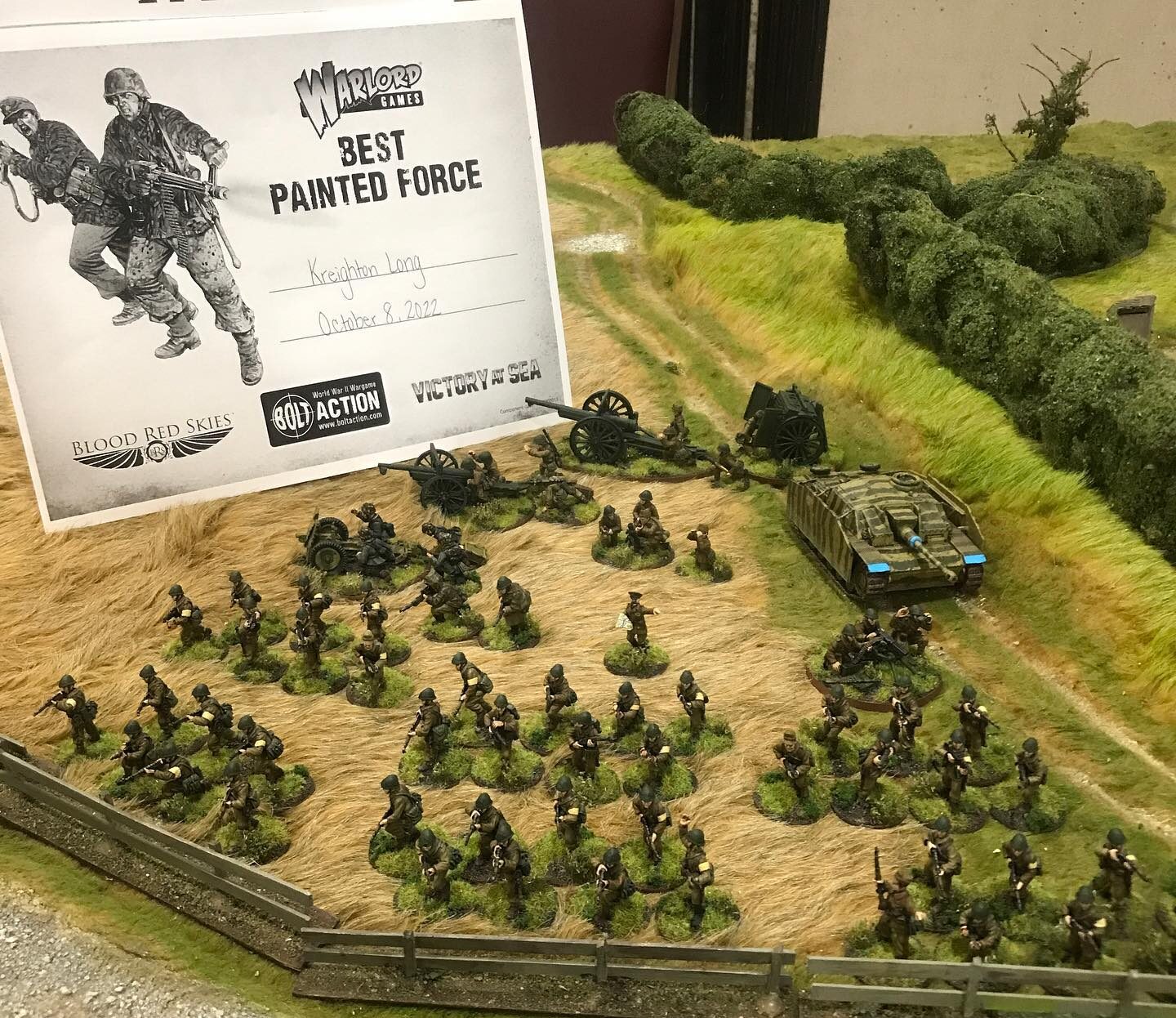
by Kreighton Long
A few months ago, I wrote an article sharing different ways Bolt Action Tournament Organizers from around the country manage the flow of their tournaments. After wrapping up that article, I started thinking about other topics on which to shed some light. I found the inspiration for my next topic at a tournament I attended shortly thereafter. The impetus came from a discussion regarding the results of a Best Painted Army award. As this is painfully subjective (as all things art end up being), I figured this would be a topic with some potential. After interviewing ten tournament organizers from across the continental US, I put this together for your thoughts and comments.
Full disclosure: I love the Best Painted Army award. I revel in seeing all the different armies on parade. I relish thinking about how many combined hours were spent hunched over tiny toy soldiers lovingly – or begrudgingly, depending on the person – applying layer after layer of paint. Each time the brush returns to the water cup with a clink, the tiny chunk of plastic, metal, or resin is one step closer to completion.
I’m the kind of painter who takes way too much time painting his models, willfully avoiding faster and easier methods for the love of the art. While I say love of the art, my geek friends would likely call me a glutton for punishment.
When I take a Bolt Action army to a tournament, I have two goals in mind: avoid going winless, and win Best Painted Army. I know I can only control a minority of the factors that go into winning a game. I can control my list but I cannot control my opponent’s list, their experience, and skill level, nor the type of table we are playing on, the type of mission we are playing, and most importantly, how my dice perform. Taking the time and care to paint an army that I’m proud of is one of the few things I can control about how the day progresses. Therefore, that’s the award that means the most to me.
I say all this to lay my biases in front of you. This is a topic that I have, perhaps, too many opinions on but as I’ve never truly ran a best painted competition, or served as a judge, I acknowledge that my lack of experience limits what opinions I do have. Therefore, let’s look at a few people who do have the experience and wisdom organizing such events for their valuable insight.
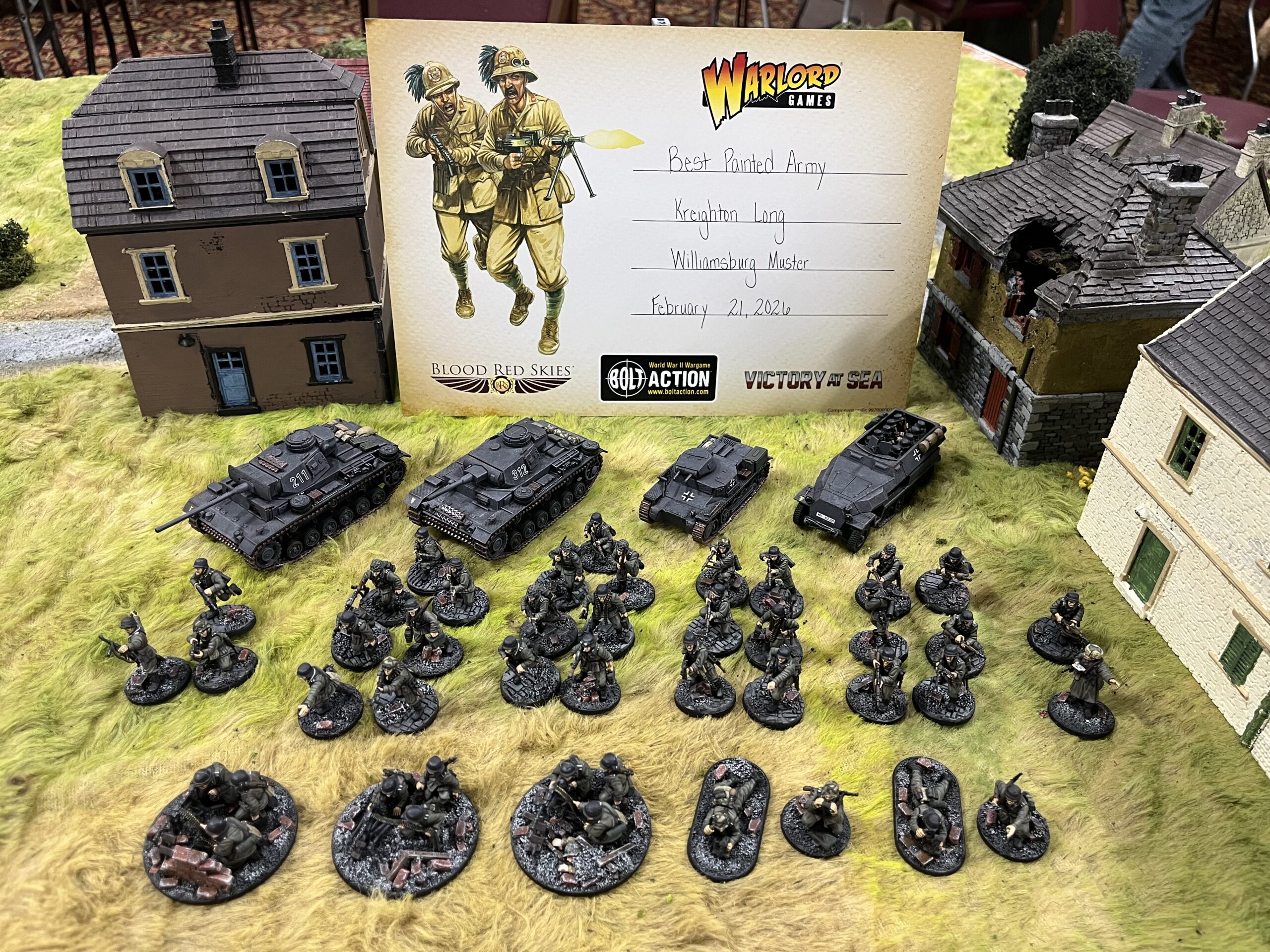
The first TO I spoke with was Jeff Ashley from Ohio — a returning guest from my previous article. Jeff likes to include a Best Painted award to recognize the effort and time spent hobbying by the participants. As is often the case, Jeff keeps the Best Painted results separate from the actual competitive scoring. As Jeff is busy running the tournament, he typically turns judging over to the store employees. Going for a more casual recognition of skill, Jeff does not provide a scoring rubric to the judges, instead encouraging them to select the armies they think look the best.
Jeff drew a distinction between Best Painted Army and Best Painted Model. “I think when you have to paint between 50 and 80 models, and then be judged on how well they look, it is a bit unfair. My plan and intention is to focus on players submitting a single model for the Best Painted Competition and keep it entirely voluntary.” I, for one, have not seen this approach implemented at tournaments I’ve attended and am curious to hear how successful this approach can be.
When asked about display boards, Jeff stated, “I love a good display board, but I don’t see it as ‘mandatory’.” Jeff prefers to recognize players who show up with a great theme and a distinct and well researched army. Display boards are a nice to have but not a need to have as far as Jeff is concerned.
Jeff took a hard line with players who enter commissioned models into the Best Painted competitions. “It would be similar to recognizing GenAI over an artist putting in the time and effort. Commissioned forces should not be eligible for Best Painted at any level.”
When considering who should earn the Best Painted award, Jeff considers a variety of factors outside of what is presented in front of him. This includes how long someone has been in the hobby as well as the list itself. “If they’re bringing a Min-Max list that’s well painted, or if they’re bringing a proper TO&E list with research put into it and looks marginally less well painted, I want to recognize the additional effort put in.” It’s nice to know that those of us rivet-counters have a slight edge at Jeff’s events.
Jeff’s final thoughts sum it all up perfectly. “I guess my final overall thoughts are that Best Painted should be a recognition of someone’s energy, effort, and time that they’ve put into their force. I want to recognize someone trying to tell a good story or someone who’s poured love into their models.” This touches on why Best Painted holds a special place in my heart. This is the award that recognizes players who show a deeper passion and dedication to the hobby than most.
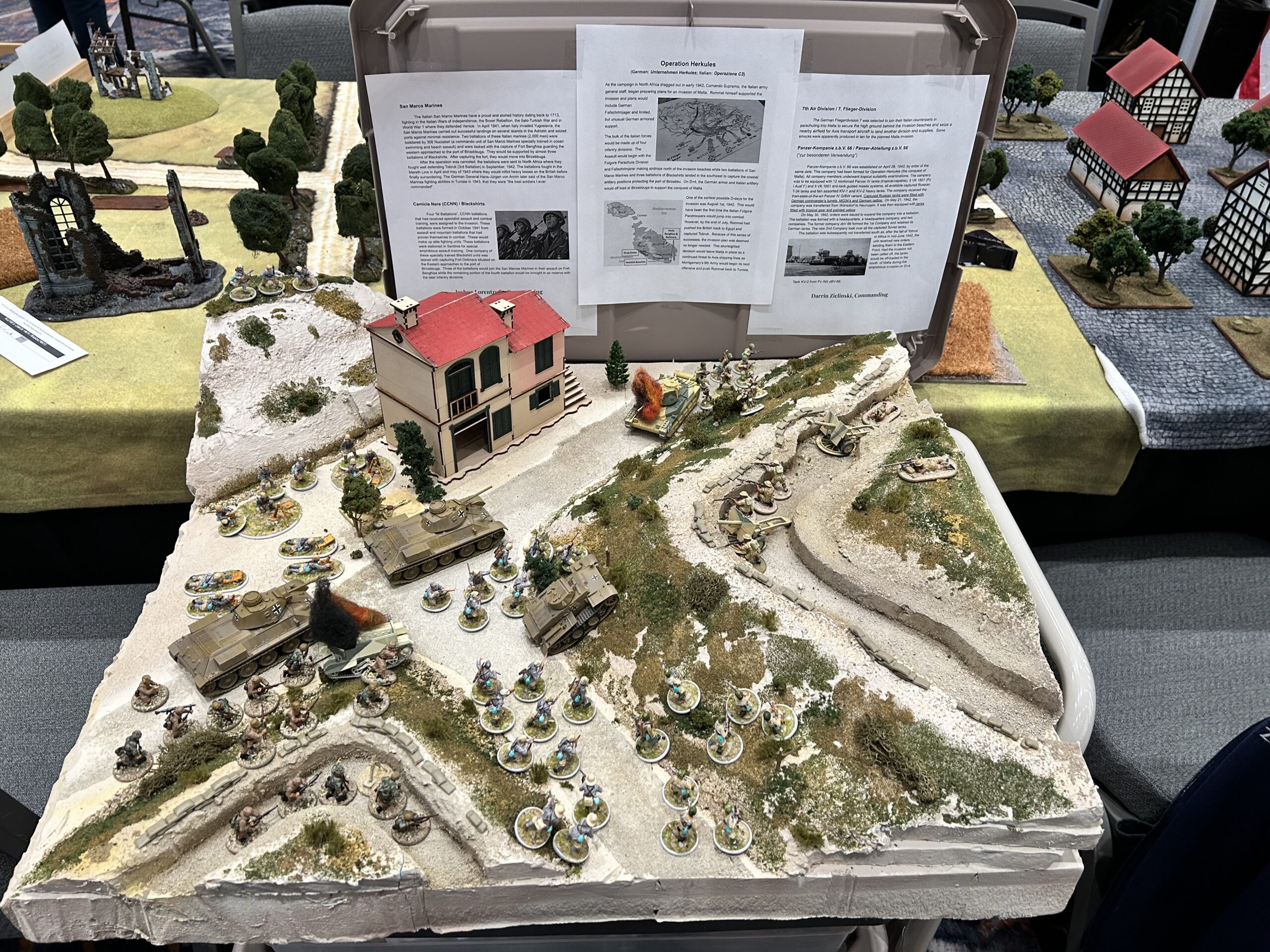
Jordan Weibe, a TO from Utah and previous contributor, shared his experiences with best painted awards. “We have always had best painted awards at our events. We love to encourage actual hobby progress in our community, and there are certainly a number of players here who paint towards winning the award specifically.”
At first, Jordan allowed players to vote for the Best Painted Award but this ended up evolving into a “Best Presented” award. Well painted armies on cool display boards ended up overshadowing armies that were technically better painted but were presented without a flashy display board. To address this, Jordan introduced additional awards to include “Best Theme” or “Players Choice” awards. This allowed the TO to choose the Best Painted army while allowing another army to win the player-voted Players Choice award. An additional idea was to create a “Competitive Hobbyist” award for the highest scoring player to miss the podium with a fully painted and based army to receive recognition.
When asked about rubrics and third-party judges, Jordan shared that neither have been used at his events. “Usually its tough to get such personnel,” he responded.
As for dos and don’ts, Jordan recommended that painters paint their army with a unified basing scheme. “It helps with presentation but also communicates a clear intention that the hobby aspect of the army was important to the player.” No arguments here.
“Display boards are absolutely necessary, for better or worse.” Jordan elaborated that a good display board will catch the judges’ eyes and will help make an army memorable. The downside is that a display board can hide some technical shortcomings in how the army was painted.
When it comes to players submitting commissioned pieces for the painting contest, Jordan has an accurate sense of who painted what. “Our community is large but also pretty tight knit, so I am almost always aware of who is actually doing the painting.” Knowing that an army was not fully painted by the player using it would automatically disqualify them from winning the painting and hobby awards.
In lieu of plugging one of his own upcoming events, Jordan wanted to invite players to the Utah Cup in August.
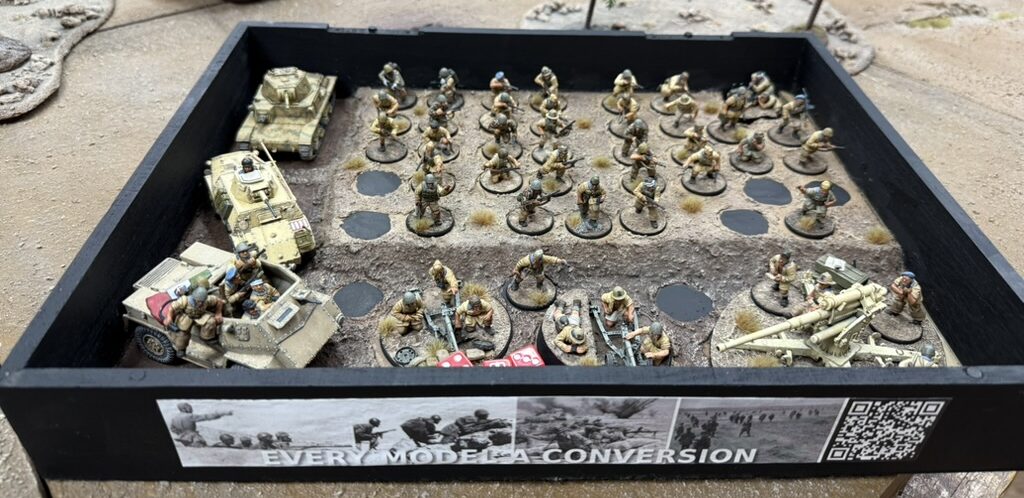
A new contributor to my merry band of TOs is Justin Freeland from Texas. Justin has been running Bolt Action events in Texas for two years — one event per quarter if he can help it.
Justin typically runs historical narrative events in a more casual setting. For Justin, the priority is to build the community and painting comes second. Even still, Justin hands out two awards at his events: Best Sportsman and Favorite Painted Model or Army.
The votes for Favorite Painted are divided between three voters: Justin himself as the TO, the store manager and staff, and the players themselves. Voting itself is purely subjective and no objective standards are used. “Sometimes even the most novice painter may have shown significant improvement since they started in our community and they should be recognized if voted for, which our community is pretty great at doing.” Recognizing the growth of newer painters is a great opportunity to build community and reward effort.
Justin doesn’t put much stock in display boards, instead encouraging players to use the tables set-up for the event. “We’ve gotten some awesome photos that way.” I for one prefer using the gorgeous tables at events for my own photo ops after events wrap-up.
As for players entering models that they themselves have not painted, Justin says this is not much of an issue in his area. He did share that they have some members who love to paint others’ models and when those models win an award an effort is made to recognize the artist(s) that contributed to the winning army.
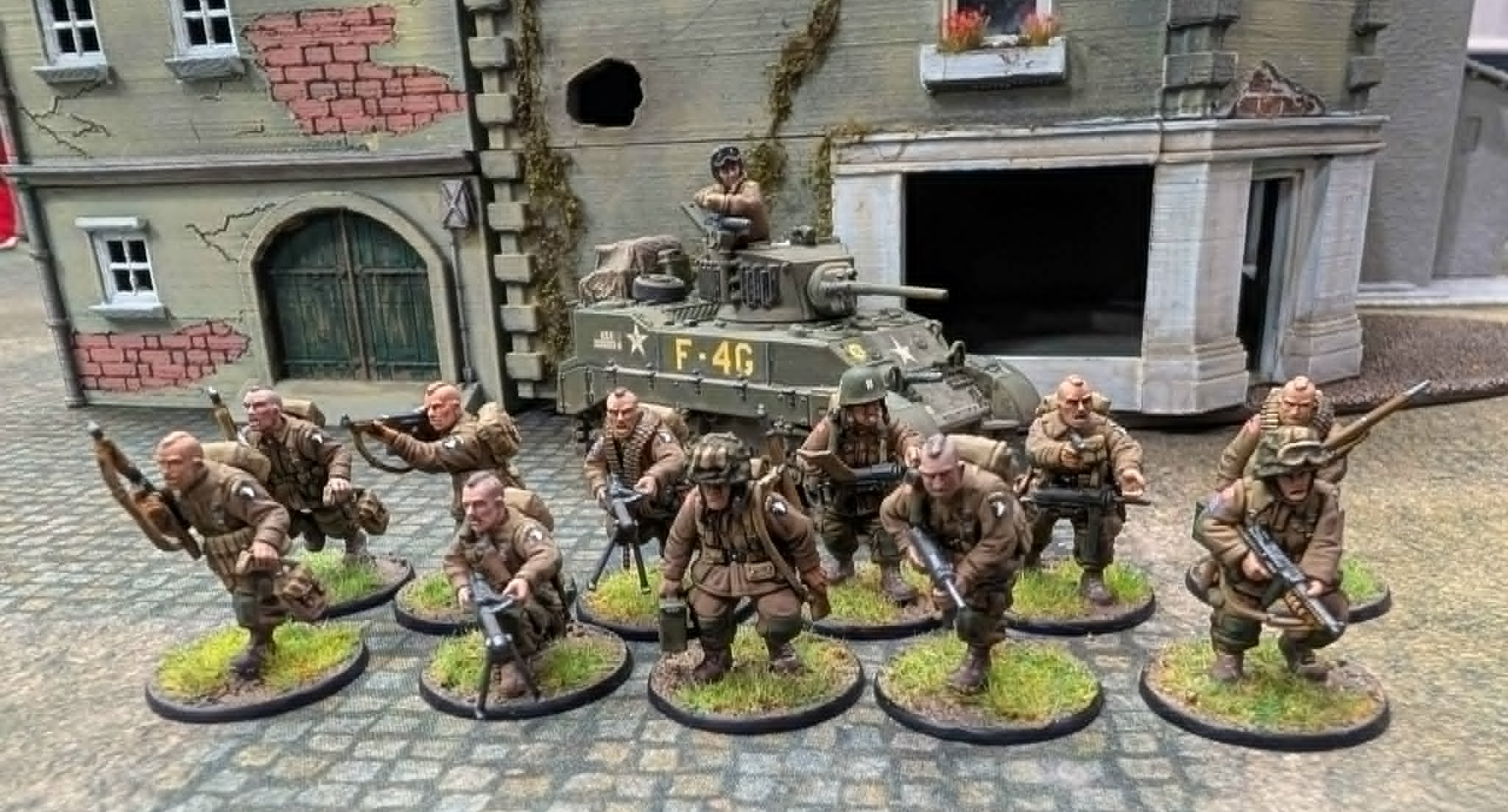
Returning to represent California is Stephen Montgomery. Stephen includes a best painted army award in his events and leaves the voting up to the players. During the lunch break, Stephen asks players to put their armies out on display and everyone has a chance to vote for their favorite. At the conclusion of the tournament, Stephen collects and adds up the votes. The player with the most votes wins.Something new Stephen will experiment with moving forward is a best historically themed army award. Stephen will invite players to research their army and do a brief write-up on it.
Interestingly, none of Stephen’s participants have brought a display board. While that trend seems to picking up momentum in other regions, Stephen’s area is currently going without.
Like other TOs, Stephen does not allow commissioned work to compete for best painted army. He uses the honor system and fortunately hasn’t had any problems with that so far.
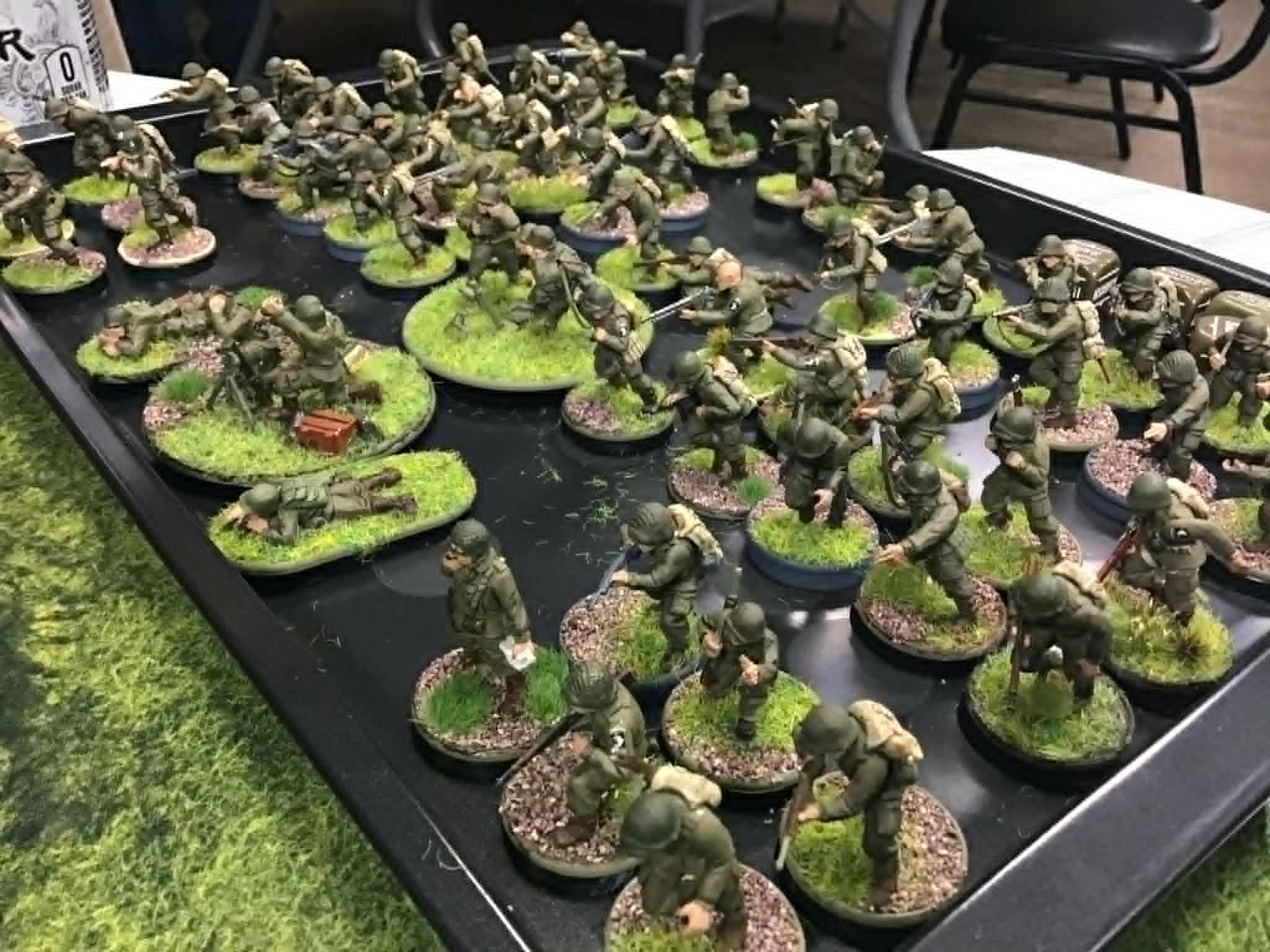
To close out the first part we have Jesse Marcelo returning to represent Virginia. Jesse has always included a painting award as part of his tournaments. “I believe that the hobby and painting side is what allows games of Bolt Action to look so good on the table and sell the idea of a WW2 battle.” I feel confident saying that every player reading this has had at least one experience of a stranger being drawn to a table of painted soldiers like a moth to flame and initiating a conversation about said game.
Jesse makes a point to swap out judges every year so that the judging matches the subjective nature of the topic in general. “I try to include at least one judge in each of my tournaments who does not play or paint wargame minis because they can help give a fresh set of eyes, one hobby veteran because they will pick out the small details, and then usually someone random that I choose the day of.” Jesse elaborated that the third judge can range from store staff to friends popping in to see the tournament. One time he conscripted a random family who happened to be walking by the store at that moment!
The variety of perspectives helps to ensure diverse approaches from the different judges. The odd number of judges reduces the chance of ties. Jesse avoids using rubrics as he does not want to influence what judges may find good or bad.
Display boards are encouraged to be included in the decision making due to the time and effort people put into the presentation of their armies. “However, a bad display board can often hinder an army’s presentation so I think players should keep that in mind.” No risk, no reward.
Jesse relies on the honor system to prevent players from submitting armies for the competition. “I am not going to interrogate players if they have painted their armies or bought them.” In addition, he finds it beneficial to keep players from winning the painting competition multiple times in a row. If a player has already won the painting competition, their army will not be considered during the following tournament.
You can find Jesse running the Bolt Action tournament at the NOVA Open in September.
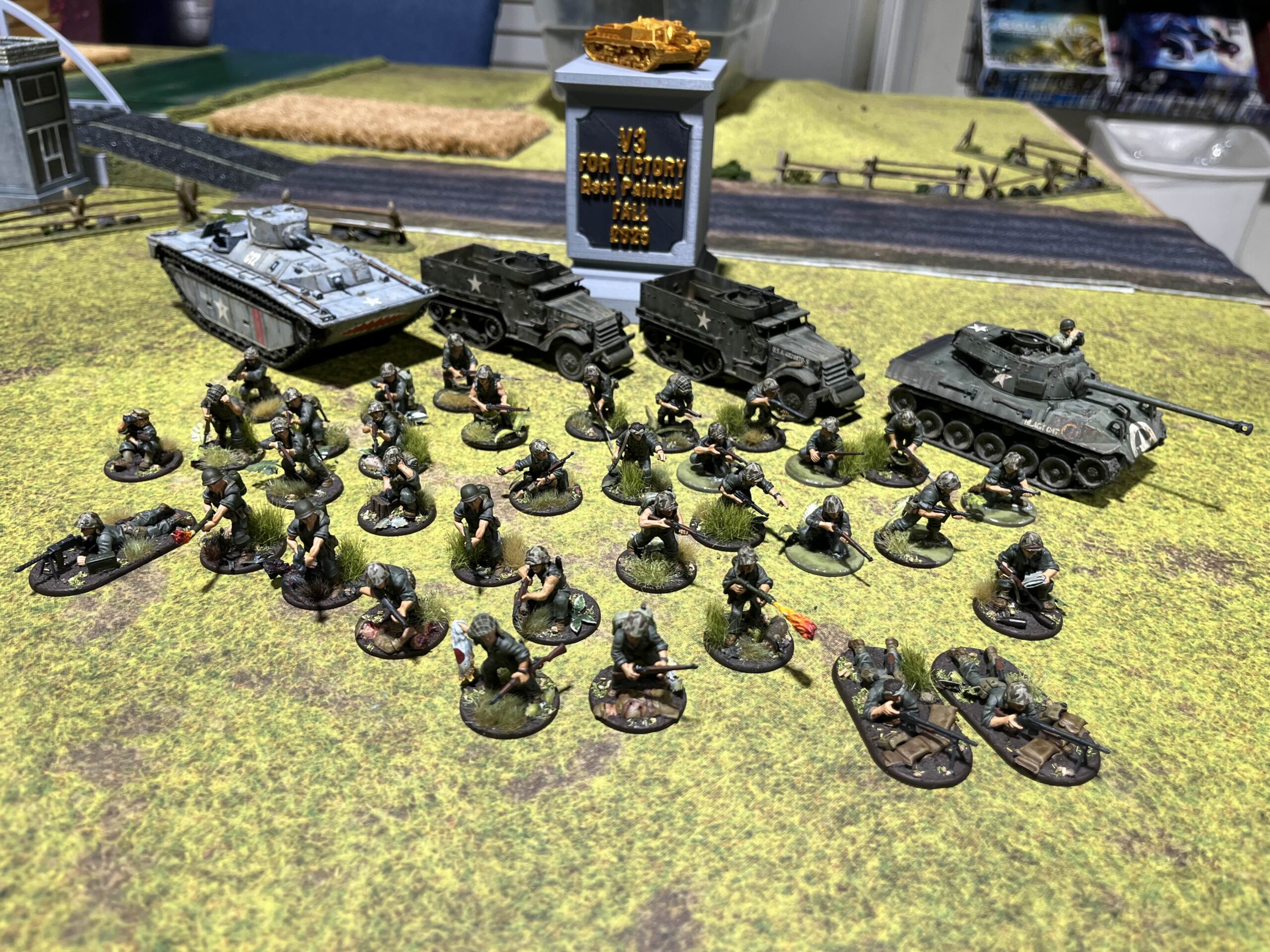
Due to the quantity and quality of comments I received from various TOs, I decided to break this article down into parts. Thanks for reading and stay tuned for part two…
Happy painting!
Got to love a well painted army!!!!! Glad to see it’s taken so seriously and not a “ soft score” as in some systems!